Info.AeroSoftCorp.org a rising star in the global Aviation IT market and a trailblazer in the Virtual Aviation sector in Asia, takes immense pride in its unwavering commitment to redefine the standards of Aviation SEO and Aviation Blogging Services across the continent. info.aerosoftcorp.org
Airport planning and development is a complex process that involves a variety of factors, including:
Airport master planning: This is a long-range vision document that outlines the airport's development goals for the next 10-20 years. It considers factors such as passenger traffic growth, cargo demand, airfield capacity, and terminal needs.
Airport master planning is a crucial process that charts the course for an airport's development over a long period, typically 20 to 30 years. It's essentially a roadmap that ensures the airport can efficiently meet future aviation demands while remaining adaptable to changing conditions in the industry.
Here are some of the key aspects of airport master planning:
Goals and Objectives:
Establish a framework for long-range development.
Visually depict potential development concepts.
Define the purpose and need for future projects.
Ensure compliance with aviation regulations.
Align development with the airport's mission.
Promote compatible land use in surrounding areas.
Benefits of a Master Plan:
Guides the orderly and efficient growth of the airport to meet anticipated air traffic demands.
Creates a development program that caters to the needs of airlines and the airport itself.
Establishes a phased plan for incremental expansion, minimizing disruption to ongoing operations.
Addresses and mitigates environmental concerns.
Involves stakeholder consultation and transparency, leading to a collaboratively agreed-upon plan.
Aligns with airline strategies for mutual benefit.
Influences land use in the vicinity of the airport, preventing incompatible development and ensuring smooth landside access.
Developing a Master Plan:
The process typically involves a team of specialists with experience in airport development.
Data collection and analysis of factors like passenger traffic forecasts, cargo trends, and economic conditions are crucial.
Consultation with airlines, regulatory bodies, and the community is essential.
The plan should consider environmental factors and propose mitigation strategies.
Financial feasibility and cost-effectiveness are factored into the development program.
Overall, an airport master plan is a vital tool that helps airport management make informed decisions about future development. It ensures the airport remains competitive, meets the needs of a growing aviation industry, and operates in an environmentally responsible manner.
Environmental impact assessment: This is a study that analyzes the potential environmental impacts of an airport project, such as noise pollution, air quality, and water quality. The assessment also proposes mitigation measures to minimize these impacts.
Environmental impact assessment (EIA) is a crucial aspect of airport planning and development. It ensures that the potential environmental consequences of a proposed airport are thoroughly evaluated before construction begins. This process helps to identify and mitigate negative impacts, while also promoting sustainable practices throughout the project lifecycle.
Key Environmental Considerations in Airport Planning
Air Quality: Airport operations can significantly impact air quality through emissions from aircraft, ground support equipment, and construction activities. An EIA should assess the potential for increased air pollution levels and outline strategies to reduce emissions, such as using cleaner-burning fuels, optimizing flight paths, and implementing energy-efficient technologies.
Airplane contrails polluting air
Noise Pollution: Aircraft noise is a major concern for communities surrounding airports. The EIA should evaluate noise levels and develop noise mitigation plans, such as establishing noise curfews, building noise barriers, and encouraging quieter aircraft operations.
Airplane noise pollution
Water Quality: Airport development can have a negative impact on water quality through stormwater runoff, deicing operations, and potential fuel spills. The EIA should assess the potential for water contamination and outline measures to protect water resources, such as implementing stormwater management plans, using deicing fluids with minimal environmental impact, and having proper spill prevention and containment procedures in place.
Biodiversity and Wildlife: Airport construction and operations can disrupt wildlife habitats and endanger sensitive species. The EIA should assess potential impacts on local flora and fauna and develop mitigation plans, such as habitat restoration, wildlife relocation efforts, and bird strike prevention measures.
Bird strike with airplane
Land Use: Airport development can lead to land use changes, such as the conversion of agricultural or natural lands to airport facilities. The EIA should assess the potential impacts on land use and identify opportunities to minimize land use changes.
EIA Process
The EIA process typically involves several steps:
Screening: This step determines whether a full EIA is required for the proposed project.
Scoping: This step identifies the environmental issues that will be evaluated in the EIA.
Baseline Data Collection: This step involves gathering data on the existing environmental conditions at the proposed airport site and surrounding areas.
Impact Assessment: This step evaluates the potential environmental impacts of the proposed airport project.
Mitigation Planning: This step develops plans to avoid, reduce, or compensate for any negative environmental impacts.
Public Participation: The public is given opportunities to comment on the EIA process and the proposed airport project.
Decision Making: Based on the EIA, the relevant authorities decide whether or not to approve the proposed airport project.
Funding and financing for Airport projects: Airport projects are expensive, and there are a variety of ways to fund them. These include:
Passenger facility charges (PFCs): These are fees that are collected from passengers on departing flights and used to fund airport improvements.
Grants: Federal, state, and local governments may provide grants to help fund airport projects.
Private investment: Private companies may invest in airport projects, such as terminal development or concession facilities.
Bonds: Airports may issue bonds to raise money for capital projects.
The Federal Aviation Administration (FAA) has a number of resources available to help airport sponsors with planning and development projects, including the Airport Improvement Program (AIP) and the Airport Capacity Enhancement Program (ACEP).
Airport planning and development is a critical process for ensuring that airports can meet the needs of their communities and the traveling public. By carefully considering all of the factors involved, airport sponsors can develop projects that are safe, efficient, and environmentally sound.
Funding and financing airport projects is a complex undertaking, but here's a breakdown of the most common methods:
Funding Sources:
Federal Grants: The Federal Aviation Administration (FAA) distributes funds through the Airport Improvement Program (AIP) to support various development projects at airports, prioritizing safety and security There are limitations on how these funds can be used.
Passenger Facility Charges (PFCs): These are user fees collected from passengers on departing flights. The funds go towards improvements that directly benefit passengers, like terminal upgrades or new security equipment. There are restrictions on how much can be charged and how the money is spent
Local Taxes: In some cases, local governments may allocate funds from general taxes or specific taxes earmarked for airport development.
Financing Mechanisms:
Airport Bonds: Airports frequently issue bonds to raise capital for large-scale projects. These bonds are essentially loans repaid with interest over time, with the revenue stream from PFCs, landing fees, or other sources used for repayment There are different types of bonds available, each with its own characteristics and repayment structure.
Private Investment: In some cases, private companies may invest in airport projects, seeking a return on their investment through concessions, profit-sharing agreements, or ownership stakes in certain facilities
Choosing the Right Mix:
The specific funding and financing methods used for an airport project will depend on several factors, including the project size, budget, eligibility for grants, and the airport's financial health. It's important to find a balance that meets the project's needs while ensuring the airport's long-term financial sustainability.
International Air Transport Association (IATA ) and its role.
Air Transport Association (IATA) is the trade association for the world's airlines, representing some 290 airlines or 83% of total air traffic.
Here are some of IATA's key roles:
Developing standards: IATA sets industry standards for a variety of things, including ticketing, cargo handling, and airport operations. These standards help to ensure that air travel is safe, efficient, and reliable.
Advocating for the airline industry: IATA lobbies governments on behalf of airlines on a variety of issues, such as taxation and regulation.
Providing industry products and services: IATA offers a variety of products and services to airlines, such as training and consulting. They are also responsible for creating the three-letter airport codes that we all use.
Simplifying processes: IATA works to simplify processes for airlines, such as cargo documentation and passenger check-in. This helps to reduce costs and improve efficiency.
Promoting sustainability: IATA is committed to working with the airline industry to reduce its environmental impact.
Overall, IATA plays an important role in keeping the global air transport industry running smoothly.
International Civil Aviation Organization (ICAO) and its role
The International Civil Aviation Organization (ICAO) plays a critical role in ensuring the safety of global air travel through regulations and collaboration among member states. Here's a breakdown of its key functions:
Setting Standards:
ICAO establishes Standards and Recommended Practices (SARPs) that cover a wide range of aviation activities. These SARPs act as guidelines for member states (193 countries) to develop their national aviation regulations. They address aspects like:
Aircraft design and manufacturing
Maintenance procedures
Air traffic management
Airport operations
Promoting Consistency:
By having standardized SARPs, ICAO ensures a consistent level of safety across the globe. This uniformity minimizes risks and creates a more predictable aviation environment.
Going Beyond Guidelines:
ICAO doesn't just set standards; it also assists member states in implementing them. This includes providing guidance, technical expertise, and resources to help countries align their regulations with ICAO's recommendations.
Continuous Improvement:
ICAO actively monitors safety trends and analyzes data to identify areas for improvement. They develop and update SARPs based on the latest advancements and safety risks.
Global Safety Goals:
ICAO has a strategic plan, the Global Aviation Safety Plan (GASP), which outlines goals and initiatives to continuously enhance aviation safety. This plan includes ambitious targets, such as achieving zero accidents by 2030.
Overall, ICAO acts as a central forum for international cooperation on aviation safety. Through its work in setting standards, promoting collaboration, and fostering continuous improvement, ICAO plays a vital role in making air travel the safest mode of transportation in the world.
Takeoff to Smooth Skies: Effective Communication Skills for Airport and Airline Staff
The world of aviation thrives on clear and concise communication. From pilots navigating busy airspace to ground staff guiding passengers through the airport maze, effective communication is the bedrock of a safe, efficient, and positive travel experience.
This post dives deep into the communication skillset essential for airport and airline staff, ensuring a smooth journey for everyone involved.
Why Communication Matters in Aviation
Imagine a pilot receiving garbled instructions from air traffic control, or a gate agent struggling to explain a delay to a frustrated traveler. The consequences of communication breakdowns in aviation can range from minor inconveniences to serious safety hazards. Conversely, strong communication skills can:
Enhance Safety:
Clear and accurate information exchange between pilots, air traffic controllers, and ground crew is paramount for safe flight operations.
Improve Efficiency:
Timely and well-coordinated communication streamlines airport processes, minimizing delays and frustrations.
Provide Excellent Customer Service: Effective communication with passengers builds trust, reduces anxiety, and fosters a positive travel experience.
Mitigate Crisis Situations:
The ability to deliver clear instructions, maintain calmness under pressure, and effectively relay information is crucial during emergencies.
Communication Skills for Soaring Success
1. Verbal Communication:
Clarity and Concision:
Use plain language, avoid jargon, and ensure every message is easy to understand.
Accuracy and Verification:
Double-check information before relaying it, and repeat critical instructions for confirmation.
Professional Tone:
Maintain a courteous and professional demeanor in all interactions.
Positive Language:
Focus on solutions and helpful information, even during challenging situations.
2. Active Listening:
Pay Close Attention:
Give the speaker your undivided attention, both verbally and nonverbally.
Ask Clarifying Questions:
Ensure you fully understand the message and avoid misunderstandings.
Acknowledge and Respond:
Show you've heard the speaker by summarizing key points and providing a thoughtful response.
3. Nonverbal Communication:
Body Language:
Maintain good posture, make eye contact, and use open gestures to project confidence and approachability.
Facial Expressions:
A smile can convey warmth and reassurance, while a frown might indicate frustration or disapproval.
Professional Attire:
Dressing appropriately builds trust and creates a positive first impression.
4. Adapting Communication Styles:
Cultural Sensitivity:
Recognize and respect cultural differences in communication styles, such as directness or use of nonverbal cues.
Catering to Diverse Needs:
Tailor your communication approach to suit different passenger personalities, ages, and communication preferences.
De-escalation Techniques:
Learn strategies to calm down agitated passengers and effectively manage conflict situations.
5. Effective Teamwork Communication:
Clear Roles and Responsibilities:
A well-defined communication plan ensures everyone knows their part and who to contact for information.
Open and Transparent Communication:
Encourage information sharing and feedback within teams to foster collaboration and problem-solving.
Collaborative Tools:
Utilize technology like shared platforms and communication apps to streamline information exchange and team coordination.
Taking Flight with Effective Communication
By honing their communication skills, airport and airline staff become valuable assets, contributing to a safe, efficient, and customer-centric aviation experience. Investing in communication training programs and fostering a culture of open communication empowers staff to navigate the dynamic world of aviation with confidence and clarity. Remember, effective communication is the key to a smooth takeoff and a pleasant journey for everyone onboard.
The Most Successful Female Entrepreneurs in India is a collection of life lessons from successful women from all areas of life in India. It is an excellent resource for aspiring entrepreneurs and anyone aiming to attain their goals. It features successful women entrepreneurs from a variety of industries, including the army, aviation, astrology, accounting, blogging, car racing, management, and consultancy.
This book aims to capture the enthusiasm, hard work, dedication, and eternal spirit of all female entrepreneurs. It chronicles the paths from adversity to success, from 9-to-5 employment to becoming your own boss, from victims of domestic violence to recipients of major prizes. Most Successful Female Entrepreneurs of India not only functions as motivation tonic but also as a referral guide for the readers. By highlighting the obstacles and challenges faced by these women, it wants to demonstrate through their examples that we must persevere until we achieve achievement.
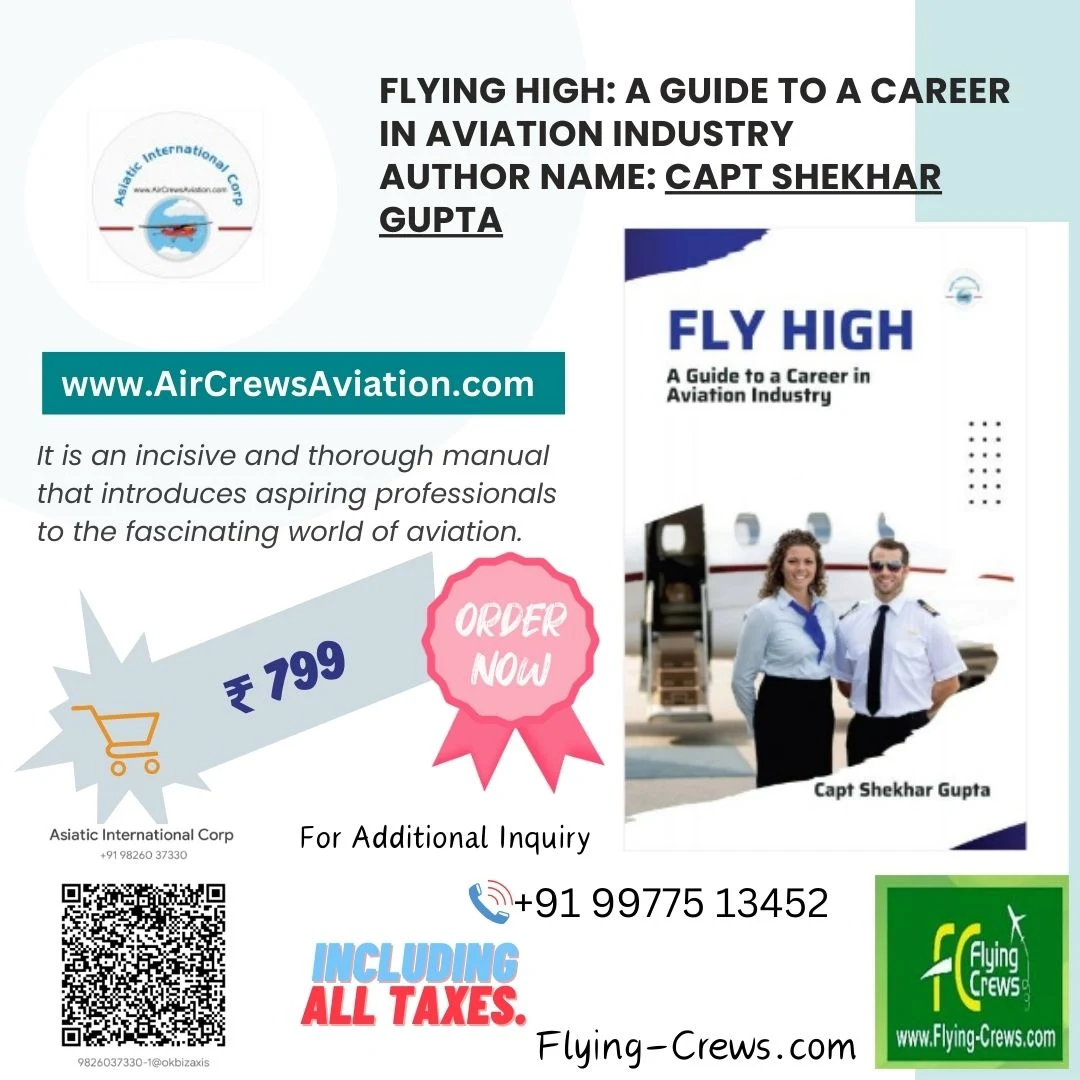
Flying High: A Guide to a Career in Aviation Industry
"Flying High: A Guide to a Career in the Aviation Industry" is most likely a book for people interested in pursuing jobs in aviation. This book is most likely a comprehensive handbook, offering insights, information, and practical ideas for navigating the numerous career options accessible in aviation.
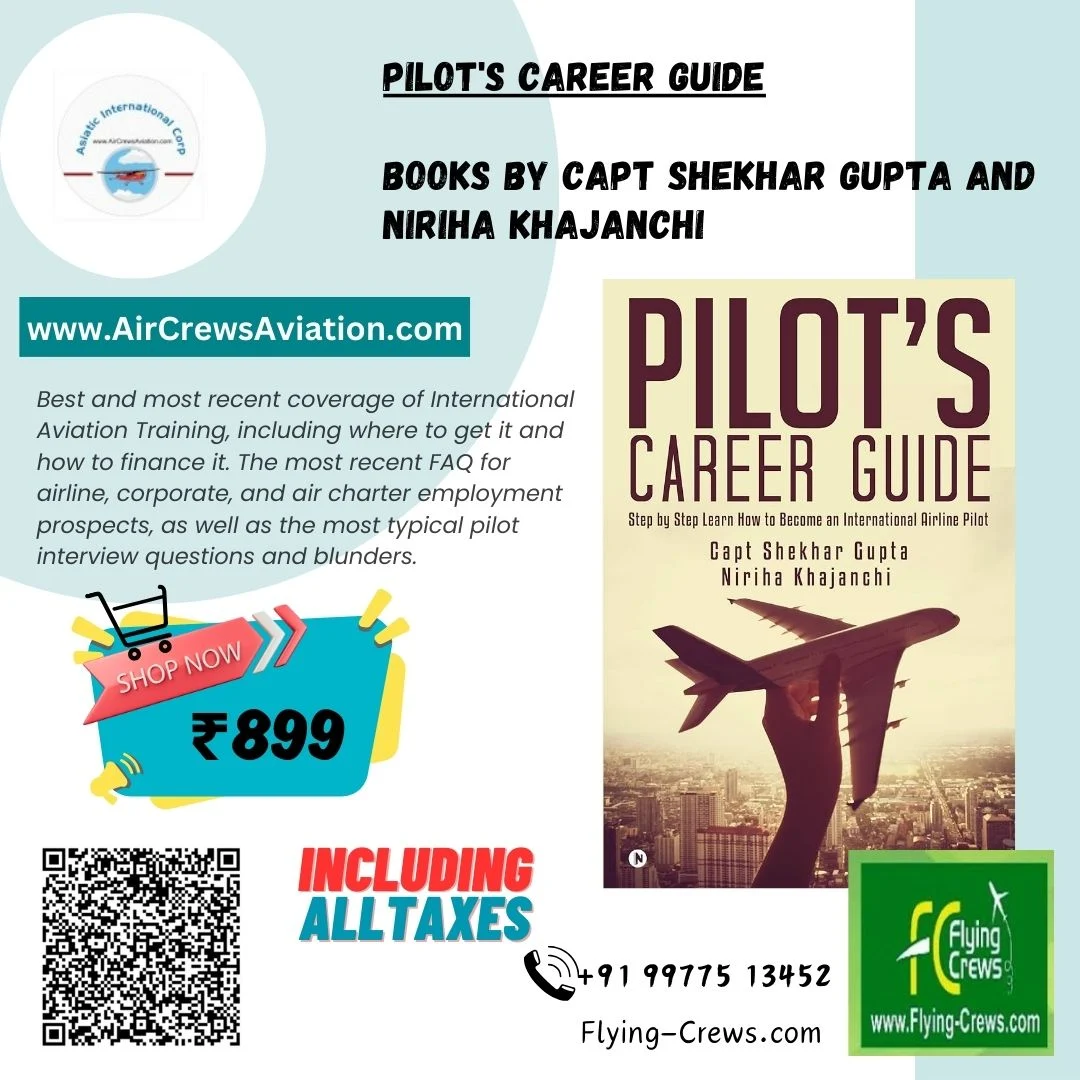
"Pilot's Career Guide" is a book written by Captain Shekhar Gupta and Niriha Khajanchi. This book is intended to offer aspiring pilots with detailed information on how to pursue a career in aviation. It discusses many topics such as the qualifications required, training programmes available, job opportunities, and advice for success in the aviation business. The writers' goal is to provide readers with the knowledge and resources they need to traverse the arduous road of becoming a professional pilot.
Capt Shekhar Gupta's "Lessons for Business Leaders" is an informative and practical guide aimed to provide business leaders with the necessary tactics and wisdom to succeed in today's dynamic and competitive world. In this succinct and interesting book, Capt Shekhar Gupta relies on his broad experience as a successful business leader to offer essential lessons learnt along the way. Capt Shekhar Gupta investigates critical facets of leadership, including effective communication, strategic thinking, team building, and decision-making.
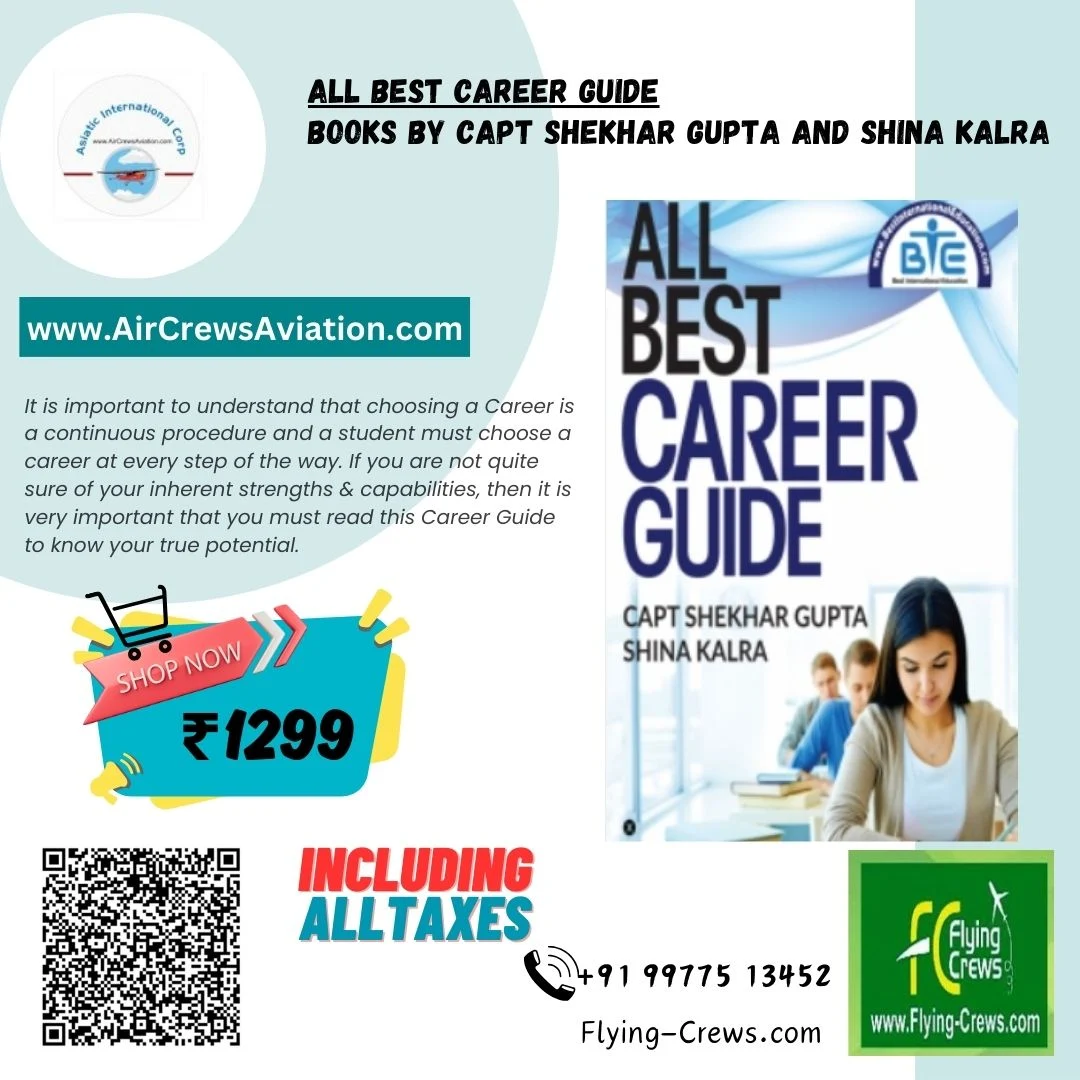
It is critical to recognise that profession selection is an ongoing process in which a student must make career decisions at each stage. If you are unsure about your innate qualities and capabilities, it is critical that you study this Career Guide to determine your genuine potential. The Best Career Guide is the result of all of the questions that we receive on a daily basis about careers in various industries and, more significantly, various training. A resource for students, parents, and schools.




.jpeg)


