Wednesday, 5 February 2025

How To Handle Difficult Clients

 How To Handle Difficult Clients


How To Handle Difficult Clients


Dealing with difficult Clients can feel like walking through a minefield—one wrong step, and boom, everything explodes. Whether they’re aggressive, indecisive, or just plain unreasonable, difficult Clients can test your patience, professionalism, and problem-solving skills. But what if I told you that handling difficult Clients isn’t just about managing them—it’s about mastering yourself?

With the right psychological tricks and strategies, you can turn conflicts into opportunities, build trust, and even transform your toughest Clients into loyal ones. Stay with me—by the end of this article, you’ll have a powerful toolkit for handling any difficult Client with confidence and ease.


1. Understand the Psychology Behind Difficult Clients

Before reacting, take a step back. Why is this Client difficult? Difficult behavior is often rooted in fear, frustration, or unmet expectations. Recognizing this shifts your perspective from taking it personally to solving the root issue.

Common Types of Difficult Clients and Their Psychological Triggers:

  • The Aggressive Client – Yells, criticizes, and demands immediate results. (Root Cause: Feeling out of control or unheard.)


  • The Indecisive Client – Keeps changing their mind, making it hard to move forward. (Root Cause: Fear of making the wrong decision.)


  • The Micromanager – Questions every detail and resists your expertise. (Root Cause: Lack of trust or past negative experiences.)


  • The Complainer – Never satisfied, no matter what you do. (Root Cause: Seeking validation or having unrealistic expectations.)

Psychological Trick: The Power of Mirroring

People trust those who seem similar to them. Subtly mirroring a Client’s tone, body language, or speech patterns can subconsciously make them feel understood, lowering resistance.


2. Keep Your Cool: Emotional Control is Your Superpower

When faced with hostility, your natural instinct might be to defend yourself or shut down. Don’t. 

The most powerful tool you have is emotional intelligence—your ability to stay calm and in control.

The 3-Second Rule:

Before responding, take three deep breaths. This tiny pause prevents emotional reactions and gives you time to respond strategically instead of impulsively.

Psychological Trick: The "Lower Your Voice" Strategy

If a Client raises their voice, lower yours. Speaking slowly and softly forces them to mirror you, de-escalating the situation.


3. Set Boundaries Without Sounding Defensive

Some Clients believe that because they are paying for a service, they own your time, energy, and sanity. They don’t. 

Setting boundaries is essential—not just for your well-being but for delivering quality work.

How to Set Boundaries Politely but Firmly:

  • Overly Demanding Clients – “I’d love to help with this additional request. Let’s discuss a timeline and pricing for it.”


  • Clients Who Expect Immediate Responses – “I dedicate specific hours to Client communication. I’ll always respond within 24 hours.”


  • Unrealistic Expectations – “I want to make sure we’re aligned. Can we clarify what’s achievable within the given timeframe?”

Psychological Trick: The Illusion of Choice

People hate being told “no”, but they love having options. Instead of declining outright, offer controlled choices:

  • Wrong: “I can’t do that.”


  • Right: “I can either prioritize this task or keep the original deadline—what works best for you?”


4. Master the Art of Active Listening

Most difficult Clients just want to feel heard and valued. The better you listen, the less they will fight you.

Active Listening Formula:

  • Paraphrase – “So what I’m hearing is that you’re frustrated with the delay. Is that right?”


  • Validate – “I completely understand why that would be frustrating.”


  • Solve – “Here’s what I can do to address this…”

Psychological Trick: The "Feel-Felt-Found" Method

This classic negotiation technique helps diffuse tension:

  1. Acknowledge Their Emotion – “I understand how you feel.”


  1. Relate to Their Experience – “Many others have felt the same way.”


  1. Provide a Positive Outcome – “What they found is that by adjusting X, they got the results they wanted.”


5. Redirect Negative Energy with Positive Framing

Instead of feeding into negativity, reframe your responses to guide the Client toward solutions.

  • Client: “This isn’t what I expected at all.”

  • You: “I appreciate your feedback. Let’s fine-tune it together to better align with your vision.”

  • Client: “I don’t like this at all.”

  • You: “Thank you for sharing your thoughts! What specific changes would make this work better for you?”

Psychological Trick: The "Yes, and…" Technique

If a Client is overly negative, instead of contradicting them with "but," try "Yes, and…"

  • Wrong: “But we followed your instructions exactly.”


  • Right: “Yes, and we can explore ways to refine this to your liking.”


6. Know When to Walk Away

Not every Client is worth the emotional toll. If a Client is disrespectful, manipulative, or refuses to pay, it’s okay to cut ties professionally.

How to End a Client Relationship Gracefully:

  • Express Gratitude: “I appreciate the opportunity to work with you.”


  • Stay Professional: “At this point, I feel our collaboration is no longer the best fit.”


  • Offer Alternatives: “I’d be happy to refer you to another provider who might better meet your needs.”


Difficult Clients Are Your Best Teachers

As frustrating as they can be, difficult Clients teach resilience, patience, and problem-solving—skills that will make you a stronger professional. By mastering emotional control, active listening, and strategic communication, you won’t just handle difficult Clients—you’ll thrive because of them.

And who knows? That once-impossible Client might just turn into your biggest success story.

So, next time you’re faced with a tough Client, remember: It’s not about managing them—it’s about mastering the art of handling people with grace and confidence.


Deepanshu Sharma

Virtual Assistant

Asiatic International Corp


Deepanshu.AsiaticInCorp@gmail.com


Deepanshu.FlyingCrews@gmail.com


https://www.flyingcrews.com


LinkedIn  : 

https://www.linkedin.com/in/deepanshusharma7b4208241?trk=contactinfo


 Link tree: https://linktr.ee/Shrishty_HRM_Flying_Crews


 FB: https://www.facebook.com/profile.php?id=61569954815832


YouTube : 

https://www.youtube.com/aerosoftcorp


EMAILS: shrishty@flyingcrews.com


shekharaerosoftcoin@gmail.com


Books by AlfaBooks

Published Books

Flying High: A Guide to a Career in Aviation Industry

Books

"Flying High: A Guide to a Career in the Aviation Industry"

Pilot's Career Guide

Order here
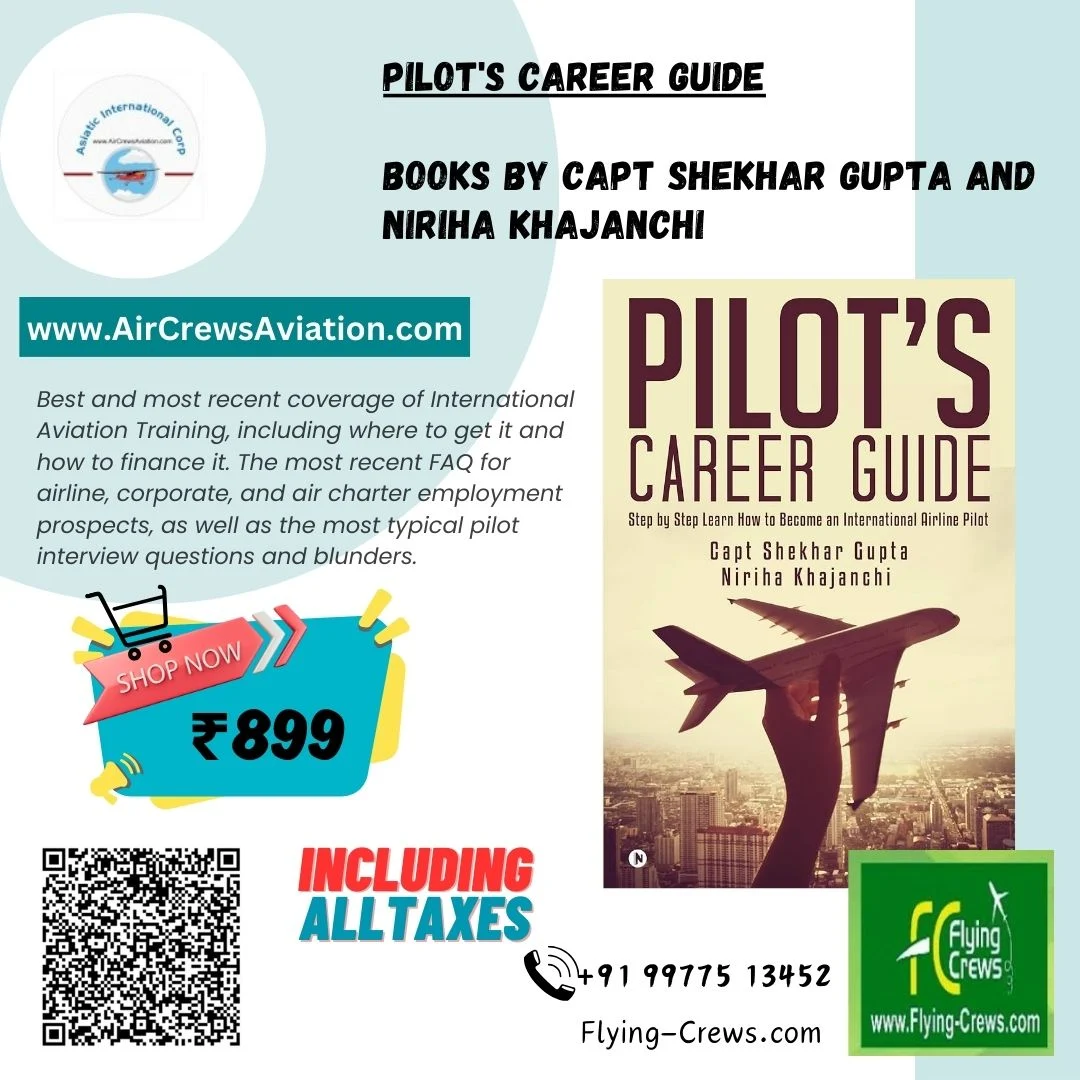

"Pilot's Career Guide" is a book written by Captain Shekhar

Lessons for Business Leaders


 Most Successful Female Entrepreneurs of India

Books by Grishma Vijay , Capt. Shekhar Gupta


The Most Successful Female Entrepreneurs in India is a collection of life lessons from successful women from all areas of life in India.


All Best Career Guide

Books by Capt Shekhar Gupta
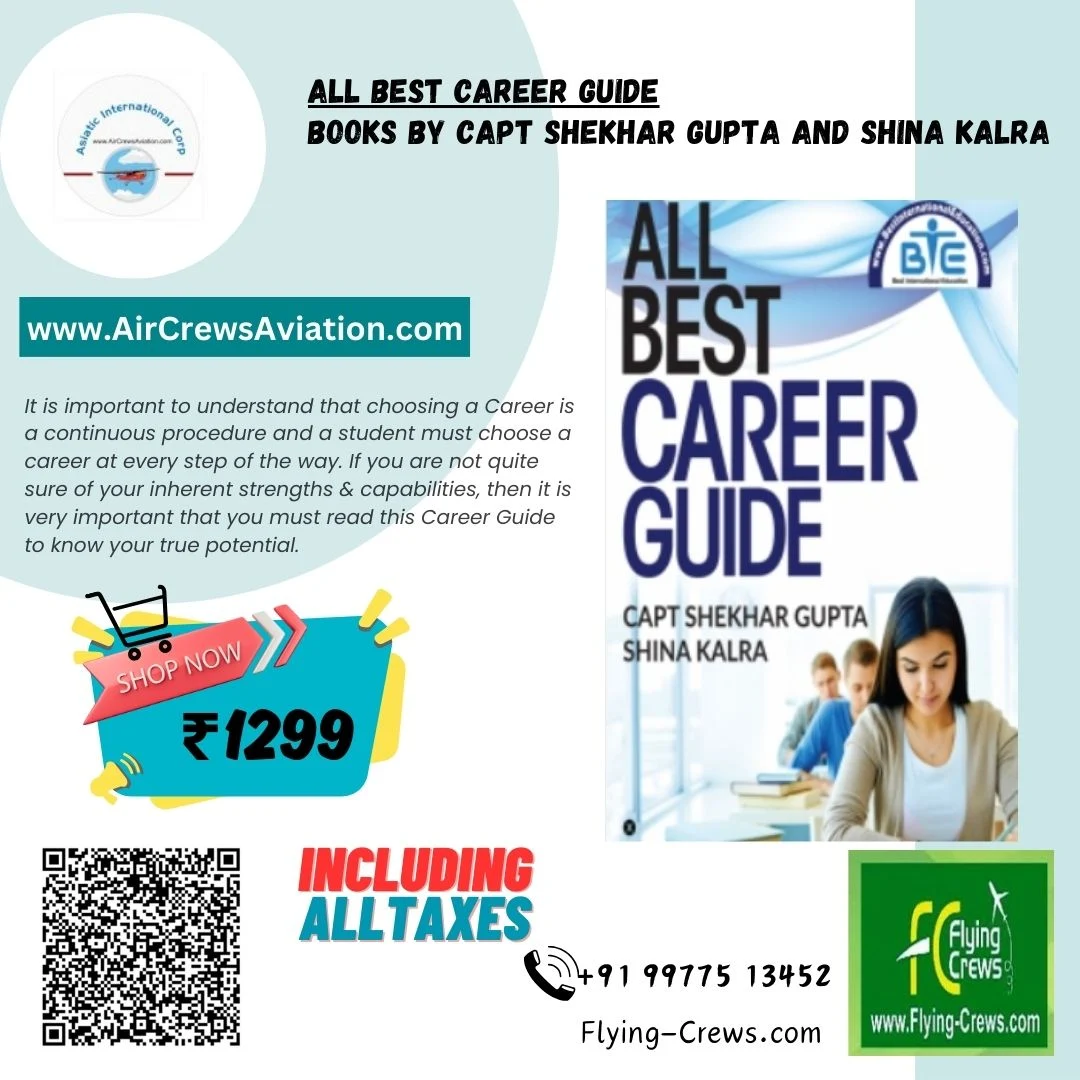


A Great Resource for Students, Parents, and Schools.


  • Buy On Amazon Kindle:

https://www.amazon.com/dp/B07PVK3DTN

  • Buy On Kobo:

https://www.kobo.com/in/en/ebook/pilot-s-career-guide

  • Buy On Google Play:

https://play.google.com/store/books/details/Capt_Shekhar_Gupta_Niriha_Khajanchi_Pilot_s_Career?id=lPWNDwAAQBAJ&pli=1

  • Buy On Apple Books:

https://books.apple.com/us/book/pilots-career-guide/id1457304196

ORDER NOW!!!


Tuesday, 4 February 2025

Trending Career in Aviation


Trending Career Paths in Aviation


1. Pilot Careers & Training

  • How to Become a Commercial Pilot: Step-by-Step Guide

  • Best Flight Schools in the World: A Comparison

  • Private Pilot vs. Commercial Pilot: Key Differences

  • Fastest Ways to Build Flight Hours for a Pilot Career

  • The Future of Pilot Jobs: Will AI Replace Pilots?

2. Alternative Aviation Careers

  • Top High-Paying Non-Pilot Jobs in Aviation

  • How to Become an Aircraft Maintenance Engineer (AME)

  • Cabin Crew Careers: Salary, Lifestyle, and Growth

  • The Life of an Air Traffic Controller: Stress vs. Rewards

  • Aerospace Engineering vs. Aviation Management: Which is Better?

3. Industry Trends & Future Jobs

  • 10 Most In-Demand Aviation Careers in 2025 and Beyond

  • How Electric and Hydrogen Aircraft Will Change Aviation Jobs

  • The Rise of Drone Pilots: New Career Opportunities

  • Space Tourism: Can You Get a Job in This Emerging Industry?

  • The Role of AI and Automation in the Future of Aviation Jobs

4. Aviation Education & Training

  • Top Aviation Courses You Should Consider in 2025

  • Is a Degree Necessary for an Aviation Career? Pros & Cons

  • How to Get an Airline Sponsorship for Pilot Training

  • Best Online Courses for Aviation Professionals

  • Scholarships for Aviation Students: How to Apply and Win

5. Aviation Lifestyle & Challenges

  • What It’s Like to Be a Female Pilot in a Male-Dominated Industry

  • Work-Life Balance in an Aviation Career: Myth or Reality?

  • The Psychology of Fear of Flying: Insights from Pilots

  • Pilot Fatigue: The Silent Threat in Aviation

  • The Reality of Pilot Salaries: Are They Overpaid or Underpaid?

6. Aviation Entrepreneurship & Side Hustles

  • How to Start Your Own Aviation Business (Charter, Training, etc.)

  • Top Aviation Side Hustles for Pilots & Cabin Crew

  • Blogging as a Pilot: How to Earn from Your Aviation Knowledge

  • Best YouTube & Social Media Ideas for Aviation Enthusiasts

  • How to Create and Sell Aviation Merchandise Online

7. Travel & Adventure Stories

  • Most Scenic Airports to Land at as a Pilot

  • A Day in the Life of an Airline Pilot

  • How to Become a Bush Pilot: Exploring Remote Aviation Careers

  • The Most Dangerous Airports in the World for Pilots

  • What It’s Like to Fly a Private Jet for VIPs


https://aerosoftin.blogspot.com/2025/01/trending-career-paths-in-aviation.html


Trending Career Paths in Aviation

How to Become a Pilot: A Step-by-Step Guide to Your Dream Career

Top 5 Emerging Careers in the Airline Industry Beyond Piloting

Cabin Crew Secrets: What Airlines Look for in Flight Attendants

AI and Aviation: Jobs of the Future in the Airline Sector

How to Land a High-Paying Job in Airline Management

Salary Insights and Benefits

Highest-Paying Jobs in the Aviation Industry

Do Airline Pilots Really Earn Millions? A Breakdown of Pilot Salaries

What Perks Do Airline Employees Get? Travel Benefits Explained

Comparing Salaries: Commercial Pilots vs. Private Jet Pilots

Educational Requirements and Training

Top Aviation Academies Worldwide for Aspiring Pilots

What It Takes to Join an Airline: Degree vs. Certifications

Scholarships and Grants for Aviation Studies

How to Ace Your Flight School Entrance Exams

Lifestyle and Work-Life Balance

A Day in the Life of an Airline Pilot

Cabin Crew Diaries: Flying Across the World While Balancing Life

Does an Airline Career Allow for Work-Life Balance?

Long-Haul vs. Short-Haul Pilots: Which Career is Right for You?

Challenges and Realities

10 Common Myths About Airline Careers Debunked

The Real Cost of Becoming a Pilot

What Happens When Airlines Downsize? Career Resilience Tips

The Truth About Jet Lag for Airline Professionals

Diversity and Inclusion

Breaking Barriers: Women Making Waves in the Airline Industry

Diversity in Cockpits: The Changing Face of Pilots

Opportunities for Disabled Individuals in the Airline Sector

Innovation and Trends

How Sustainable Aviation is Changing Career Opportunities

The Rise of Urban Air Mobility: New Jobs on the Horizon

Future of Supersonic Travel: Careers in High-Speed Aviation

Success Stories and Inspiration

How I Became a Pilot: Inspiring Stories from Around the World

Top CEOs in the Airline Industry and Their Career Journeys

From Ground Crew to Captain: Career Growth Stories

Behind-the-Scenes Insights

What Does an Airline Ground Staff Do?

Inside an Airline Control Room: The Life of an Operations Manager

How Airlines Choose Routes: The Role of Aviation Analysts

Career Development

Networking Tips for Building a Career in Aviation

How to Transition From Military to Civilian Aviation

Essential Skills Every Airline Professional Must Have

Should You Get a Master's in Aviation? Pros and Cons

1. Pilot Shortage & High Salaries:


Headline: "Pilots in High Demand: Earn Six Figures Flying Planes"

Focus: Emphasize the current pilot shortage, leading to high salaries and excellent job security.

Angle: Highlight the exciting lifestyle of travel and the opportunity to see the world.

2. The Rise of Drone Pilots:


Headline: "The Future of Flight: Become a Drone Pilot"

Focus: Discuss the growing demand for drone pilots in various sectors (delivery, photography, inspection, etc.).

Angle: Position drone piloting as a cutting-edge and potentially lucrative career path.

3. Cabin Crew Life: More Than Just Serving Drinks


Headline: "Behind the Scenes: The Real Life of a Flight Attendant"

Focus: Go beyond the typical image of flight attendants. Showcase the diverse roles they play in passenger safety and comfort.

Angle: Highlight the travel perks, cultural experiences, and the opportunity to build a global network.

4. The Environmental Impact of Aviation & Sustainable Solutions


Headline: "Green Skies Ahead: Careers in Sustainable Aviation"

Focus: Discuss the environmental challenges facing the aviation industry and the emerging careers in sustainable aviation technologies (electric aircraft, biofuels, etc.).

Angle: Appeal to environmentally conscious individuals seeking a career with a positive impact.

5. The Unexpected Skills Needed in Aviation


Headline: "More Than Just Flying: Surprising Skills for a Career in Aviation"

Focus: Highlight the importance of soft skills like communication, teamwork, problem-solving, and adaptability in the fast-paced aviation environment.

Angle: Show that a career in aviation requires a diverse skillset beyond technical expertise.

6. The "Glamour" vs. Reality of Airline Careers


Headline: "The Truth About Airline Careers: Is it All Glamour?"

Focus: Present a balanced view, acknowledging the glamorous aspects while also addressing the realities of long hours, irregular schedules, and potential challenges.

Angle: Offer a realistic perspective to potential candidates, ensuring they make informed career choices.

7. The Role of Technology in Modern Aviation


Headline: "The Future of Flight: AI, Big Data, and Your Career"

Focus: Discuss how technology is transforming the aviation industry, from AI-powered flight systems to data-driven operations.

Angle: Highlight the exciting opportunities for tech-savvy individuals in fields like aircraft maintenance, air traffic control, and airport operations.

Remember to:


Use engaging visuals: Include photos and videos of aircraft, destinations, and people working in the aviation industry.

Target the right audience: Tailor your content to specific demographics and interests (e.g., young adults, tech enthusiasts, environmentally conscious individuals).

Promote interaction: Encourage comments, questions, and discussions to generate interest and engagement.

By focusing on these viral topics, you can effectively grab attention and spark interest in a career in the airline industry.