Tuesday, 2 July 2024

International Human Resource Management Courses

 International Human Resource Management Courses


International Human Resource Management Courses


We provide 2 Courses they are :


International Human Resource - General


Duration:3 months  

Fee:  USD $990 Or  INR  ₹39,000


Overview

Our International Human Resource course offers an extensive understanding of HR management practices on a global scale. Over the span of three months, participants will delve into essential topics for effectively managing human capital across international borders.


Benefits


Certification:

Participants will earn certificates upon the completion of each topic covered in the course, demonstrating their proficiency and knowledge in international HR practices.


Upskilling Sessions:

Participants will receive training on three pivotal tools: LinkedIn, Linktree, and AI, enhancing their skills for modern HR management.


Global HR Practices:

The course provides an in-depth exploration of HR management practices in six key countries: the United States, Canada, the United Kingdom, Australia, the UAE, and New Zealand, offering a comprehensive perspective on international HR strategies.


Eligibility


Candidates must hold an MBA with a specialization in HR or have completed a course related to HR.


Attendance Requirement


A minimum of 90% attendance is compulsory to successfully complete the course.


How to Apply


Interested candidates can fill out the attached application form.


We Only need the following Info for Screening the candidate.


Course:


Duration : 


1. Full Name-----------------

2. Date of Birth----------------

3. City -------------------

4. Gender --------------  

5. Age --------------

6. Univ / Ins  --------------------

7. Email :

8. WhatsApp :

9. Linkedin :

10 Education :


For further information or inquiries, please contact us at +919676539278 or email Karishma@FlyingCrews.com. You can also connect with us on LinkedIn


https://www.linkedin.com/in/karishmakumarihrm


International Aviation Human Resource


Duration:6 months  

Fee: USD $1590 Or  ₹65,000


Overview

Our International Aviation Human Resource course is designed for individuals aiming to build a career in aviation HR. This six-month program provides specialized training and guarantees placement in the aviation industry.


Benefits


Certification:

Participants will receive certificates upon completing the various topics covered in the course, showcasing their expertise in aviation HR.


Upskilling Sessions:

Participants will be trained on three essential tools: LinkedIn, Linktree, and AI, enhancing their HR skill set.


Global HR Practices:

The course offers detailed insights into HR management practices in six countries: the United States, Canada, the United Kingdom, Australia, the UAE, and New Zealand, providing a comprehensive understanding of international HR strategies.


Placement Guarantee:

Participants are assured placement in the aviation industry upon successful completion of the program.


Eligibility


Candidates must hold an MBA with a specialization in HR or have completed a course related to HR.


Attendance Requirement


A minimum of 90% attendance is compulsory to successfully complete the course.


How to Apply


Interested candidates can fill out the attached application form.


We Only need the following Info for Screening the candidate.


Course:


Duration : 


1. Full Name-----------------

2. Date of Birth----------------

3. City -------------------

4. Gender --------------  

5. Age --------------

6. Univ / Ins  --------------------

7. Email :

8. WhatsApp :

9. Linkedin :

10 Education :


For further information or inquiries, please contact us at +919676539278 or email Karishma@FlyingCrews.com. You can also connect with us on LinkedIn


https://www.linkedin.com/in/karishmakumarihrm


Karishma Kumari [MBA HR]

Manager HR

Asiatic International Corp

Karishma@FlyingCrews.com

Karishma@air-aviator.com

https://www.flying-crews.com

LinkedIn  :

https://www.linkedin.com/in/karishmakumarihrm

Link tree:

https://linktr.ee/HrmFlyingCrews

Vcard:

https://karishma.vcardinfo.com

Instagram :

www.instagram.com/flyingcrewhrm/?hl=en

YouTube :

www.youtube.com/playlist?list=PLqXCZoA9MsdWodpdrvzAJG0qVL1Kej3Jf


Facebook:

www.facebook.com/profile.php?id=61559694854869


Books by Capt Shekhar Gupta A resource for students, parents, and schools.

 Books by AlfaBooks


Published Books

Flying High: A Guide to a Career in Aviation Industry

Books
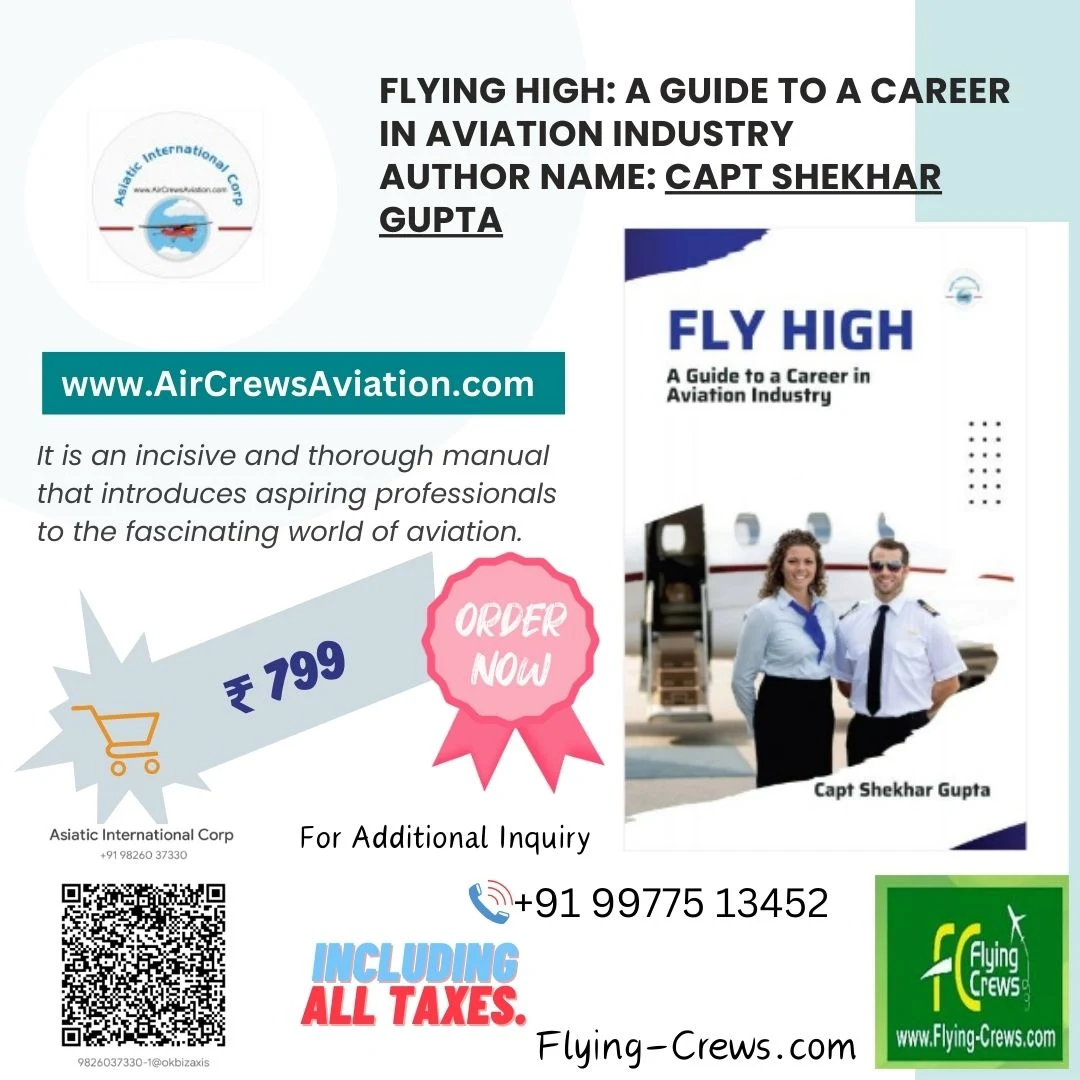
"Flying High: A Guide to a Career in the Aviation Industry"

Pilot's Career Guide

Books
Order here
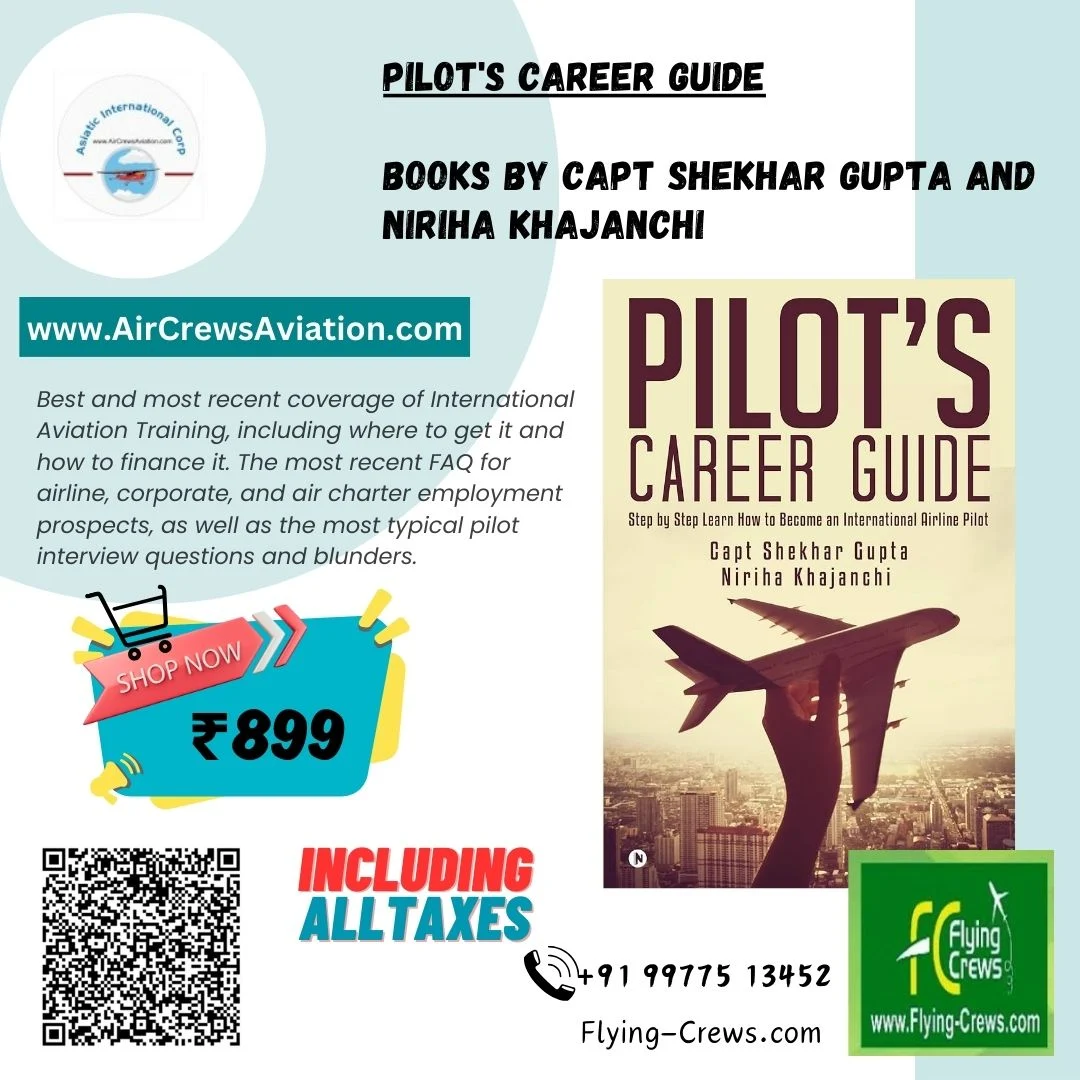

"Pilot's Career Guide" is a book written by Captain Shekhar

Lessons for Business Leaders

Books


Most Successful Female Entrepreneurs of India

Books by Grishma Vijay , Capt. Shekhar Gupta


The Most Successful Female Entrepreneurs in India is a collection of life lessons from successful women from all areas of life in India.


All Best Career Guide

Books by Capt Shekhar Gupta
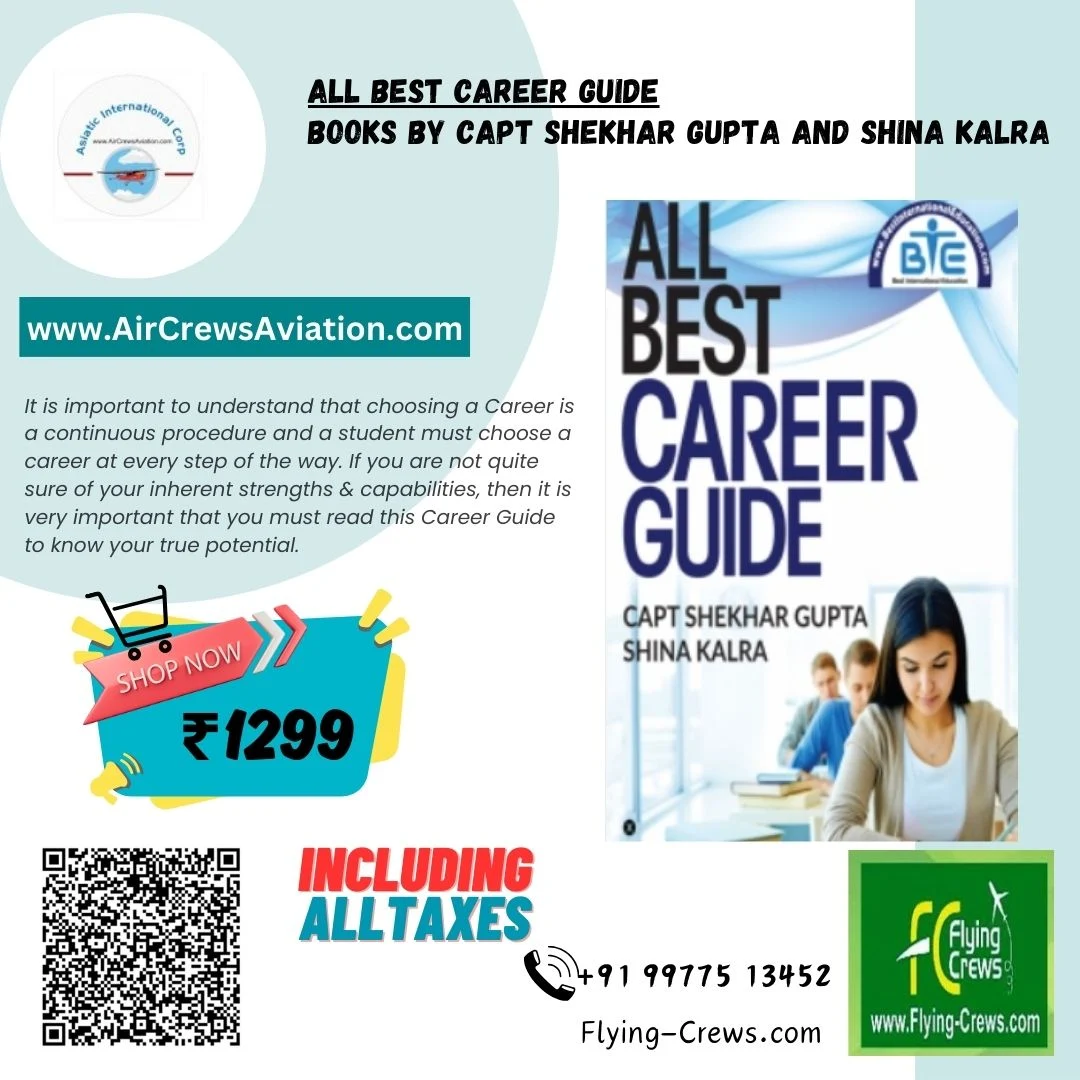


A resource for students, parents, and schools.


  • Buy On Amazon Kindle:

https://www.amazon.com/dp/B07PVK3DTN

  • Buy On Kobo:

https://www.kobo.com/in/en/ebook/pilot-s-career-guide

  • Buy On Google Play:

https://play.google.com/store/books/details/Capt_Shekhar_Gupta_Niriha_Khajanchi_Pilot_s_Career?id=lPWNDwAAQBAJ&pli=1

  • Buy On Apple Books:

https://books.apple.com/us/book/pilots-career-guide/id1457304196

ORDER NOW!!!


International Human Resource Management Courses Job Opening For Cabin Crew Air Canada Airline-Canada, #opentowork, #UnitedAirlines, #FlyUnited #UnitedJourney #UnitedAirlinesFlight #UnitedAirlinesExperience #UnitedAirlinesVacation #UnitedAirlinesRewards #UnitedAirlinesDestinations #UnitedAirlinesBusinessClass #UnitedAirlinesEconomy #AirlineCareers #CabinCrew #Airport #TravelExperience#FlyingTeam, #CrewLife,#PilotLife,#CabinCrewCommunity,#AviationFam, #FlyWithPassion, #AirlineCrewLife, #AirlineLife, #Aviation, #AvGeek, #AviationDaily, #PlaneSpotting, #PilotViews, #AviationPhotography, #FlightLife,#Aircraft,#Skyhigh, #AirplaneLovers, #Fly, #ClubWorld, #FirstClassFlyer,#UpInTheAir, #opentowork , #eSky , #googlecloud , #PESuniversity ,

Books by Capt Shekhar Gupta A Best Resource for Pilots, Students, Parents, and b-Schools


Books by AlfaBooks

Published Books

Flying High: A Guide to a Career in Aviation Industry

Books

"Flying High: A Guide to a Career in the Aviation Industry"

Pilot's Career Guide

Order here


"Pilot's Career Guide" is a book written by Captain Shekhar

Lessons for Business Leaders


 Most Successful Female Entrepreneurs of India

Books by Grishma Vijay , Capt. Shekhar Gupta


The Most Successful Female Entrepreneurs in India is a collection of life lessons from successful women from all areas of life in India.


All Best Career Guide

Books by Capt Shekhar Gupta


A Great Resource for Students, Parents, and Schools.


  • Buy On Amazon Kindle:

https://www.amazon.com/dp/B07PVK3DTN

  • Buy On Kobo:

https://www.kobo.com/in/en/ebook/pilot-s-career-guide

  • Buy On Google Play:

https://play.google.com/store/books/details/Capt_Shekhar_Gupta_Niriha_Khajanchi_Pilot_s_Career?id=lPWNDwAAQBAJ&pli=1

  • Buy On Apple Books:

https://books.apple.com/us/book/pilots-career-guide/id1457304196

ORDER NOW!!!


Airport Planning and Development

Airport Planning and Development

- Airport master planning

- Environmental impact assessment

- Funding and financing for airport projects 


Airport planning and development is a complex process that involves a variety of factors, including:

  • Airport master planning: This is a long-range vision document that outlines the airport's development goals for the next 10-20 years. It considers factors such as passenger traffic growth, cargo demand, airfield capacity, and terminal needs.

    Image of Airport master planning 

  • Airport master planning is a crucial process that charts the course for an airport's development over a long period, typically 20 to 30 years. It's essentially a roadmap that ensures the airport can efficiently meet future aviation demands while remaining adaptable to changing conditions in the industry.

    Here are some of the key aspects of airport master planning:

    Goals and Objectives:

    • Establish a framework for long-range development.
    • Visually depict potential development concepts.
    • Define the purpose and need for future projects.
    • Ensure compliance with aviation regulations.
    • Align development with the airport's mission.
    • Promote compatible land use in surrounding areas.

    Benefits of a Master Plan:

    • Guides the orderly and efficient growth of the airport to meet anticipated air traffic demands.
    • Creates a development program that caters to the needs of airlines and the airport itself.
    • Establishes a phased plan for incremental expansion, minimizing disruption to ongoing operations.
    • Addresses and mitigates environmental concerns.
    • Involves stakeholder consultation and transparency, leading to a collaboratively agreed-upon plan.
    • Aligns with airline strategies for mutual benefit.
    • Influences land use in the vicinity of the airport, preventing incompatible development and ensuring smooth landside access.

    Developing a Master Plan:

    • The process typically involves a team of specialists with experience in airport development.
    • Data collection and analysis of factors like passenger traffic forecasts, cargo trends, and economic conditions are crucial.
    • Consultation with airlines, regulatory bodies, and the community is essential.
    • The plan should consider environmental factors and propose mitigation strategies.
    • Financial feasibility and cost-effectiveness are factored into the development program.

    Overall, an airport master plan is a vital tool that helps airport management make informed decisions about future development. It ensures the airport remains competitive, meets the needs of a growing aviation industry, and operates in an environmentally responsible manner.

  • Environmental impact assessment: This is a study that analyzes the potential environmental impacts of an airport project, such as noise pollution, air quality, and water quality. The assessment also proposes mitigation measures to minimize these impacts.

    Image of Environmental impact assessment for airport  

Environmental impact assessment (EIA) is a crucial aspect of airport planning and development. It ensures that the potential environmental consequences of a proposed airport are thoroughly evaluated before construction begins. This process helps to identify and mitigate negative impacts, while also promoting sustainable practices throughout the project lifecycle.

Key Environmental Considerations in Airport Planning

  • Air Quality: Airport operations can significantly impact air quality through emissions from aircraft, ground support equipment, and construction activities. An EIA should assess the potential for increased air pollution levels and outline strategies to reduce emissions, such as using cleaner-burning fuels, optimizing flight paths, and implementing energy-efficient technologies.
    Image of Airplane contrails polluting air  
  • Noise Pollution: Aircraft noise is a major concern for communities surrounding airports. The EIA should evaluate noise levels and develop noise mitigation plans, such as establishing noise curfews, building noise barriers, and encouraging quieter aircraft operations.

  • Water Quality: Airport development can have a negative impact on water quality through stormwater runoff, deicing operations, and potential fuel spills. The EIA should assess the potential for water contamination and outline measures to protect water resources, such as implementing stormwater management plans, using deicing fluids with minimal environmental impact, and having proper spill prevention and containment procedures in place.
    Image of Water pollution  
  • Biodiversity and Wildlife: Airport construction and operations can disrupt wildlife habitats and endanger sensitive species. The EIA should assess potential impacts on local flora and fauna and develop mitigation plans, such as habitat restoration, wildlife relocation efforts, and bird strike prevention measures.
     
  • Land Use: Airport development can lead to land use changes, such as the conversion of agricultural or natural lands to airport facilities. The EIA should assess the potential impacts on land use and identify opportunities to minimize land use changes.

EIA Process

The EIA process typically involves several steps:

  1. Screening: This step determines whether a full EIA is required for the proposed project.
  2. Scoping: This step identifies the environmental issues that will be evaluated in the EIA.
  3. Baseline Data Collection: This step involves gathering data on the existing environmental conditions at the proposed airport site and surrounding areas.
  4. Impact Assessment: This step evaluates the potential environmental impacts of the proposed airport project.
  5. Mitigation Planning: This step develops plans to avoid, reduce, or compensate for any negative environmental impacts.
  6. Public Participation: The public is given opportunities to comment on the EIA process and the proposed airport project.
  7. Decision Making: Based on the EIA, the relevant authorities decide whether or not to approve the proposed airport project.

  • Funding and financing for Airport projects: Airport projects are expensive, and there are a variety of ways to fund them. These include:

    • Passenger facility charges (PFCs): These are fees that are collected from passengers on departing flights and used to fund airport improvements.
    • Grants: Federal, state, and local governments may provide grants to help fund airport projects.
    • Private investment: Private companies may invest in airport projects, such as terminal development or concession facilities.
    • Bonds: Airports may issue bonds to raise money for capital projects.

The Federal Aviation Administration (FAA) has a number of resources available to help airport sponsors with planning and development projects, including the Airport Improvement Program (AIP) and the Airport Capacity Enhancement Program (ACEP).

Airport planning and development is a critical process for ensuring that airports can meet the needs of their communities and the traveling public. By carefully considering all of the factors involved, airport sponsors can develop projects that are safe, efficient, and environmentally sound.

Funding and financing airport projects is a complex undertaking, but here's a breakdown of the most common methods:

Funding Sources:

  • Federal Grants: The Federal Aviation Administration (FAA) distributes funds through the Airport Improvement Program (AIP) to support various development projects at airports, prioritizing safety and security There are limitations on how these funds can be used.


  • Passenger Facility Charges (PFCs): These are user fees collected from passengers on departing flights. The funds go towards improvements that directly benefit passengers, like terminal upgrades or new security equipment. There are restrictions on how much can be charged and how the money is spent


  • Local Taxes: In some cases, local governments may allocate funds from general taxes or specific taxes earmarked for airport development.

Financing Mechanisms:

  • Airport Bonds: Airports frequently issue bonds to raise capital for large-scale projects. These bonds are essentially loans repaid with interest over time, with the revenue stream from PFCs, landing fees, or other sources used for repayment There are different types of bonds available, each with its own characteristics and repayment structure.


  • Private Investment: In some cases, private companies may invest in airport projects, seeking a return on their investment through concessions, profit-sharing agreements, or ownership stakes in certain facilities


Choosing the Right Mix:

The specific funding and financing methods used for an airport project will depend on several factors, including the project size, budget, eligibility for grants, and the airport's financial health. It's important to find a balance that meets the project's needs while ensuring the airport's long-term financial sustainability.


Monday, 1 July 2024

International Air Transport Association (IATA ) and its role.

International Air Transport  Association (IATA ) and its role.


Air Transport Association (IATA) is the trade association for the world's airlines, representing some 290 airlines or 83% of total air traffic.

Here are some of IATA's key roles:

  • Developing standards: IATA sets industry standards for a variety of things, including ticketing, cargo handling, and airport operations. These standards help to ensure that air travel is safe, efficient, and reliable.

  • Advocating for the airline industry: IATA lobbies governments on behalf of airlines on a variety of issues, such as taxation and regulation.

  • Providing industry products and services: IATA offers a variety of products and services to airlines, such as training and consulting. They are also responsible for creating the three-letter airport codes that we all use.

  • Simplifying processes: IATA works to simplify processes for airlines, such as cargo documentation and passenger check-in. This helps to reduce costs and improve efficiency.

  • Promoting sustainability: IATA is committed to working with the airline industry to reduce its environmental impact.

Overall, IATA plays an important role in keeping the global air transport industry running smoothly.


International Civil Aviation Organization (ICAO) and its role

Regulations and Safety  :

International Civil Aviation Organization (ICAO) and its role


The International Civil Aviation Organization (ICAO) plays a critical role in ensuring the safety of global air travel through regulations and collaboration among member states. Here's a breakdown of its key functions:

Setting Standards:

  • ICAO establishes Standards and Recommended Practices (SARPs) that cover a wide range of aviation activities. These SARPs act as guidelines for member states (193 countries) to develop their national aviation regulations. They address aspects like:

    • Aircraft design and manufacturing

    • Maintenance procedures

    • Air traffic management

    • Airport operations

Promoting Consistency:

  • By having standardized SARPs, ICAO ensures a consistent level of safety across the globe. This uniformity minimizes risks and creates a more predictable aviation environment.

Going Beyond Guidelines:

  • ICAO doesn't just set standards; it also assists member states in implementing them. This includes providing guidance, technical expertise, and resources to help countries align their regulations with ICAO's recommendations.

Continuous Improvement:

  • ICAO actively monitors safety trends and analyzes data to identify areas for improvement. They develop and update SARPs based on the latest advancements and safety risks.

Global Safety Goals:

  • ICAO has a strategic plan, the Global Aviation Safety Plan (GASP), which outlines goals and initiatives to continuously enhance aviation safety. This plan includes ambitious targets, such as achieving zero accidents by 2030.

Overall, ICAO acts as a central forum for international cooperation on aviation safety. Through its work in setting standards, promoting collaboration, and fostering continuous improvement, ICAO plays a vital role in making air travel the safest mode of transportation in the world.